Cute Rose: A Designer’s Real-World Embroidery Review
First Impressions: Soft, Sweet, and Surprisingly Versatile
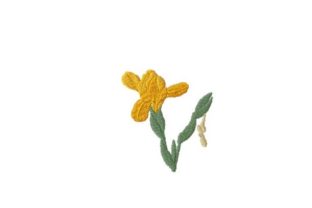
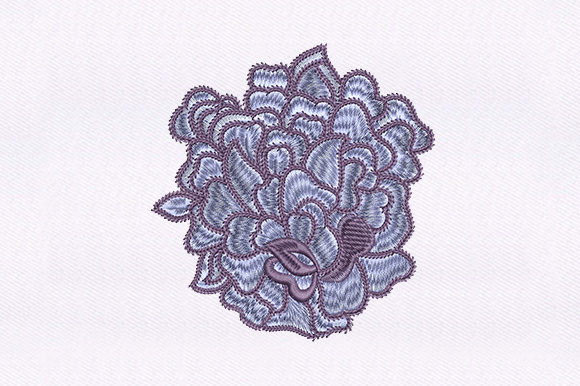
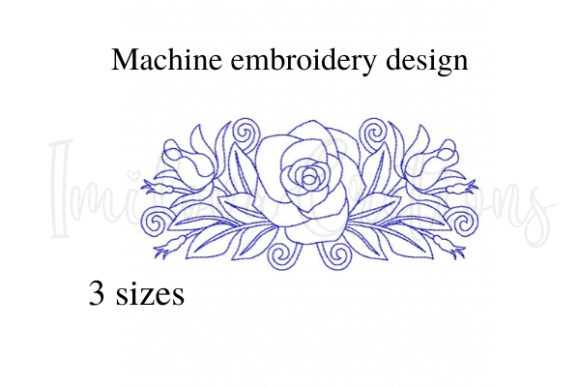
When I opened the Cute Rose embroidery file, I didn’t see another generic floral motif—I saw a quiet confidence in its simplicity. It’s not fussy or overly detailed, but it carries just enough personality to feel handmade without sacrificing polish. The shape reads clearly at a glance: a gently unfurling bloom with soft petal curves and subtle layering—no sharp angles, no aggressive density. It lands somewhere between botanical accuracy and friendly stylization, which makes it ideal for projects where warmth matters more than realism.
Where It Shines: Real Projects, Real Customers
Last week, I stitched Cute Rose onto a natural linen tote bag for a local boutique launch. The result? Instant charm—no extra embellishment needed. Customers paused mid-aisle, touched the stitching, and asked, “Is that hand-stitched?” That’s the power of a well-balanced single-flower design: it elevates the finished product without shouting.
I’ve also tested it on lightweight cotton baby onesies (with tear-away stabilizer), midweight organic sweatshirts (cutaway + topping), and even a curved-knit cap (smaller version, rehooped carefully). In every case, the Cute Rose held its shape, the satin stitch petals stayed smooth, and the fill stitch center retained texture—not mushy, not stiff. It works especially well for personalized gifts: imagine it paired with a monogram on a tea towel or stitched beside a child’s name on a nursery pillow cover. For Etsy sellers and small shop owners, this is low-risk, high-return design assets—timeless enough for holiday embroidery, delicate enough for wedding favors, and clean enough for modern boutique branding.
Where to Pause—and Why
That said, Cute Rose isn’t magic. On ultra-thin fabrics like voile or silk charmeuse, I recommend testing stitch density first—the petal edges can blur if the fill is too dense or the stabilizer too light. On dark fabric, avoid pale thread unless you’re aiming for subtlety; contrast is your friend here. And while it adapts beautifully to curved surfaces like caps, avoid placing it near seams or tight corners without adjusting hoop placement—it’s not an applique design, so there’s no built-in seam allowance or stretch compensation.
It also doesn’t scale down below ~2.5 inches without losing definition in the inner petal lines. So if you’re planning a tiny embroidered patch for a keychain or a delicate baby embroidery on a onesie collar, check how the smallest details hold up in your test run. Running stitch outlines help readability—but only if they’re cleanly digitized. With Cute Rose, they are.
What It Does for Your Craft Business
As a designer who sells digital embroidery files and runs a small craft business, I pay attention to how a design affects perceived value. Cute Rose reads as intentional—not mass-produced. That builds trust. When customers see consistent, clean stitching on your custom apparel or handmade product, they assume care went into the whole process. That translates directly to higher perceived value, repeat orders, and stronger brand consistency.
It also photographs beautifully for printable mockups. Whether you’re listing on Etsy or building a wholesale catalog, Cute Rose holds up in flat-lay shots and lifestyle images—no awkward gaps, no fuzzy edges, no thread nests hiding in the petals. That saves time on post-processing and strengthens buyer engagement before the first click.
Practical Designer Notes You’ll Actually Use
Before stitching Cute Rose on your next project, do these five things:
- Test on scrap fabric—same weight, same weave, same color as your final piece.
- Check thread color contrast on both light and dark backgrounds. A single rose looks warm in terracotta on oatmeal linen—but cold and washed out on heather gray unless you deepen the thread tone.
- Review stitch density in your embroidery software. If it’s over 12,000 stitches, consider reducing density slightly for delicate fabrics or frequent-wash items like baby clothes or kitchen towels.
- Confirm hoop size—not all versions of Cute Rose will fit a 4×4 hoop at full size. Some may require 5×7. Don’t assume.
- Verify licensing before selling finished items or reselling the digital embroidery file. Since it’s labeled as a machine embroidery design for multiple machines, confirm whether commercial use is included—many Single Flowers designs allow it, but always double-check.
Final Thought: Not Just Another Rose
In a sea of floral embroidery files, Cute Rose stands out by doing less—and doing it well. It’s not trying to be a bouquet, a wreath, or a statement sleeve. It’s one thoughtful bloom, sized and shaped to complement real-life objects: a pocket, a cuff, a corner of a pillow cover, the front of a sweatshirt. It supports your voice as a maker instead of competing with it.
If you’re an embroidery designer, a craft business owner, or an Etsy seller building a cohesive collection of design assets, Cute Rose earns its place—not as filler, but as a quiet anchor. It works for holiday embroidery and everyday wear alike. It feels handmade, but finishes professionally. And most importantly? It makes people smile when they hold the finished product in their hands.