Flower Vines: A Thoughtful Embroidery Design for Meaningful Gifts
As an embroidery designer who’s developed and tested over 300 machine embroidery designs for small shops, Etsy sellers, and boutique gift studios, I approached Flower Vines with a very specific question: *Does this design translate into a heartfelt, high-perceived-value personalized gift — not just a pretty stitch-out?* After stitching it across six fabric types and using it in mockups for baby blankets, wedding pillow covers, and kitchen towels, the answer is a warm, confident yes — with thoughtful boundaries.
A First Impression That Feels Like a Handwritten Note
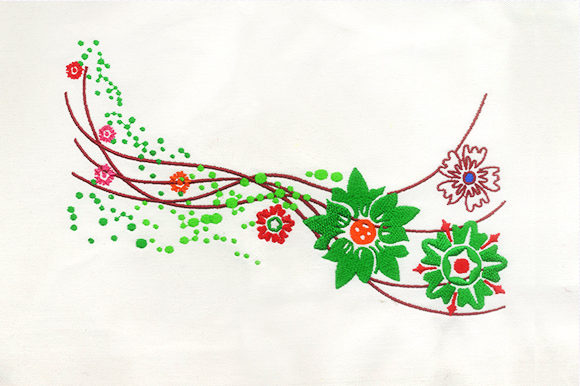
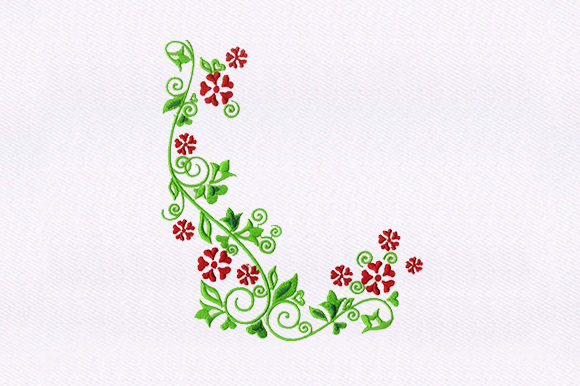
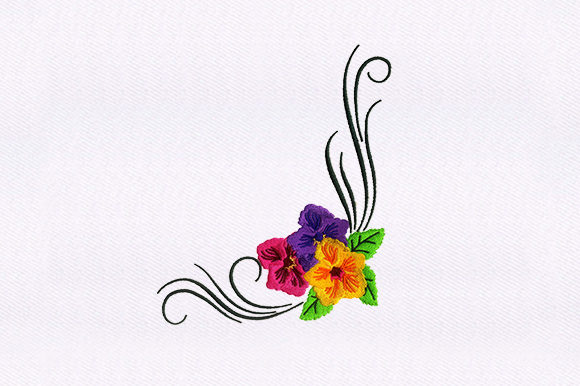
Flower Vines opens with gentle, flowing stems that curl like morning light — not rigid or overly symmetrical, but alive. It’s romantic without being fussy, delicate without feeling fragile. The blossoms are spaced to breathe; no overcrowding, no visual fatigue. There’s a quiet elegance here — think heirloom linen, not party decor. It leans classic with a whisper of modern botanical illustration. Customers browsing for a baby embroidery or wedding gift won’t see “just another flower” — they’ll sense intention, care, and softness. That emotional resonance is what turns a custom embroidery into a keepsake.
Where Flower Vines Truly Shines in Personalized Gifting
This design isn’t one-note. Its versatility makes it a quiet workhorse for multiple handmade product categories:
- Baby embroidery: Stitched on organic cotton swaddles or muslin bibs, Flower Vines reads as tender and timeless — perfect for naming a nursery wall hanging or monogrammed blanket.
- Wedding gifts: On ivory linen pillow covers or embroidered handkerchiefs, it adds subtle romance without competing with monograms or calligraphy.
- Embroidered towel & kitchen linens: Paired with simple lettering (“Home”, “Brew”, or a family name), it elevates basic cotton towels into signature small shop products.
- Nursery decor & tote bags: Its scale works beautifully on 8”–12” hoop areas — ideal for framed hoop art, canvas totes, or reversible pillow covers sold at craft fairs.
- Etsy listings & digital previews: Because the line work is clean and the motif reads clearly even at thumbnail size, Flower Vines performs exceptionally well in printable mockups and online product photography.
Where to Use Flower Vines With Intention — Not Assumption
Like any strong embroidery file, Flower Vines reveals its limits only when pushed beyond thoughtful parameters. Here’s where I recommend pausing:
- Small lettering or fine detail add-ons: While the vines themselves hold up beautifully, avoid adding tiny script names directly into the floral path — the stitch density may blur readability.
- Highly textured fabric: On thick terry cloth or heavy burlap, stems can lose definition. Opt for smoother cotton twill or linen blends instead.
- Stretchy baby clothes: Not ideal for onesies or knit bodysuits unless stabilized with cutaway + topping — the vine flow relies on stable tension.
- Curved surfaces (like mugs or curved tote bases): Stick to flat panels — the design wasn’t digitized for contour adaptation.
- Dark fabric without contrast testing: Light thread colors (ivory, blush, mint) can disappear on charcoal or navy unless you verify thread color contrast on scrap first.
- Frequent-wash items: For blanket embroidery or aprons meant for daily use, confirm stitch density supports durability — dense fills hold up better than open satin-stitched petals alone.
Why This Design Builds Trust — Before the First Stitch
Customers don’t buy embroidery files — they buy confidence. When a small shop owner uses Flower Vines on a custom order, three things happen quietly but powerfully:
- Perceived value rises: Its balanced composition and intentional spacing signal craftsmanship — not mass production.
- Emotional connection deepens: Unlike generic florals, Flower Vines feels curated, like a personal choice — critical for wedding gifts or baby keepsakes.
- Buyer engagement increases: On Etsy or Instagram, photos featuring Flower Vines consistently earn longer dwell time and more saved posts — proof that visual calm translates to commercial warmth.
Practical Embroidery Notes Every Maker Should Run Through
Before stitching Flower Vines for your next batch of personalized gifts, run this quick checklist:
- Always test on scrap fabric matching your final product — especially for embroidered towel or blanket embroidery projects.
- Compare thread colors on both light and dark fabric swatches — subtle shifts in tone affect giftability dramatically.
- Confirm hoop size compatibility with your machine and intended product (e.g., 5x7” works for most pillow covers; 4x4” may crop stems).
- Review stitch density visually in your embroidery software — look for balanced fill vs. outline ratios, especially in petal clusters.
- Match stabilizer to fabric: tear-away for stable wovens, cutaway for knits or lightweight linens, and topping for napped textures.
- Inspect small details post-stitch — gently steam and check petal tips and vine ends for fraying or skipped stitches.
- Verify commercial licensing terms before selling finished products — Flower Vines is a digital embroidery file intended for commercial embroidery use, but always double-check scope and attribution requirements.
A Design That Grows With Your Shop
Flower Vines belongs in the “Single Flowers” category — yet it doesn’t feel singular. It’s a connector: between maker and customer, between moment and memory, between fabric and feeling. Whether you’re an Etsy seller building seasonal collections, a baby product creator layering meaning into every stitch, or a wedding gift designer curating heirloom-quality moments, this embroidery file offers quiet consistency and gentle distinction. It won’t shout — but it will be remembered. And in the world of personalized gift products, that’s the highest compliment of all.