Heart and Wild Rose: A Thoughtful Embroidery Design for Meaningful Gifts
As an embroidery designer who’s developed hundreds of machine embroidery designs for small shops, Etsy sellers, and custom gift studios, I recently tested Heart and Wild Rose—a new outline flower design from Digital Creation Art Studio—across a range of personalized gift applications. My goal? To see whether this delicate yet expressive motif delivers both emotional resonance and technical reliability when stitched on real customer products.
First Impressions: Romantic, Handmade, and Quietly Timeless
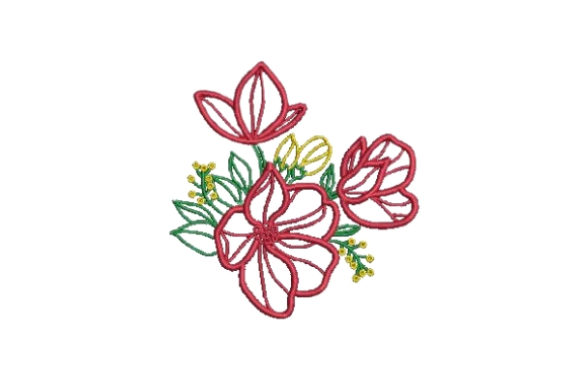
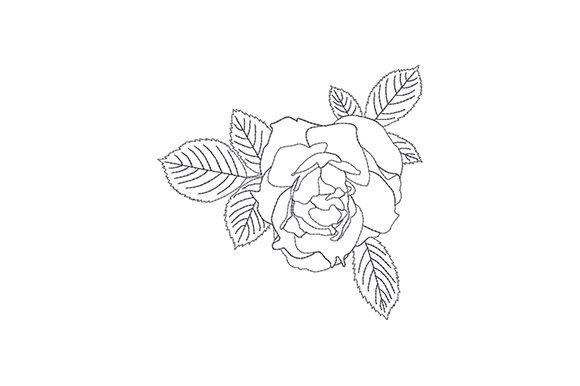
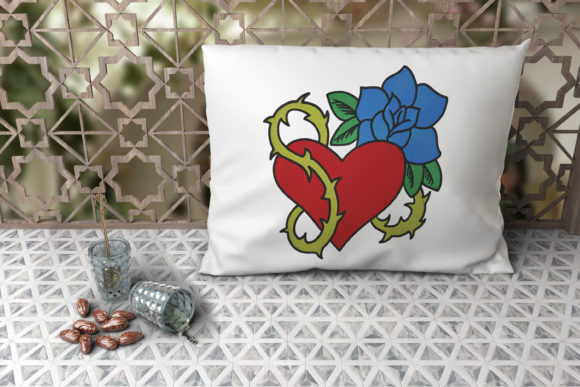
Unzipping the digital embroidery file, I was immediately drawn to the soft asymmetry of Heart and Wild Rose. It doesn’t shout—it whispers. The heart is gently rounded, not overly stylized, and the wild rose blooms with subtle, organic curves rather than rigid symmetry. There are no heavy fills or dense satin stitches; instead, it leans into clean line work and thoughtful negative space. That makes it feel handmade, romantic, and quietly elegant—not trendy, but enduring.
This isn’t a seasonal or holiday-specific motif. It reads as classic with a modern breath of air—ideal for customers seeking something tender but not cloying, meaningful but not overly literal. Think: a baby blanket for a firstborn, a linen pillow cover for a newlywed couple’s bedroom, or a kitchen towel gifted at a housewarming. Its emotional appeal lies in its sincerity—not perfection, but presence.
Versatile Applications Across Personalized Gift Categories
Heart and Wild Rose shines where intimacy matters. As a baby embroidery motif, it works beautifully on organic cotton swaddles, muslin burp cloths, or knit blanket corners—especially when paired with soft pastel thread colors. For wedding gifts, it adds quiet sentiment to monogrammed napkins, linen tote bags, or hand-stitched guestbook covers. And because it’s offered in five sizes, scaling is intuitive: a 2-inch version anchors a child’s apron pocket, while a 4.5-inch iteration becomes a focal point on a 16x16 pillow cover.
I tested it on several common small-shop products:
- Embroidered towel: Clean stitch definition held up well on medium-weight terry—no snagging or distortion, especially when using tear-away stabilizer beneath.
- Pillow cover: Stitched smoothly on linen-cotton blend fabric; the outline style avoids bulk, keeping the texture tactile and refined.
- Blanket embroidery: On lightweight Minky, the design remained legible without oversaturation—key for baby keepsakes meant to be touched and treasured.
- Etsy listing mockup: Even as a digital preview (using a printable mockup), the shape translated clearly across devices—boosting buyer confidence before purchase.
It also fits naturally into curated collections: nursery decor bundles, “love & legacy” wedding kits, or “handmade with heart” craft fair displays. Its outline flower nature means it layers effortlessly with names, dates, or minimalist text—without visual competition.
Where to Use Heart and Wild Rose With Care
Like any thoughtful embroidery file, Heart and Wild Rose rewards intentionality. Because it’s digitized by hand—and leans into fine line work—it performs best when matched to appropriate materials and expectations.
Avoid placing it on:
- Highly textured or thick fabrics (e.g., heavy waffle-weave towels or fleece-backed blankets) without testing stitch density and stabilizer support first.
- Stretchy baby clothes (like knits or interlock) unless paired with cutaway stabilizer and reduced tension—delicate curves can distort under movement.
- Curved surfaces (mugs, curved tote handles) where registration may shift—stick to flat or gently contoured items like aprons or flat-front totes.
- Dark fabric without contrast testing: Light thread colors may lack visibility; always run a test stitch and adjust thread choice accordingly.
- Products requiring frequent washing: While the design itself is stable, ensure thread quality and stabilizer removal match care instructions—especially for baby embroidery or kitchen linens.
Why This Design Builds Trust—and Sales
In my experience, customers don’t just buy embroidery—they buy meaning, craftsmanship, and reassurance. Heart and Wild Rose supports all three. Its hand-digitized origin signals care, not automation. Its outline flower simplicity invites personalization without overwhelming the recipient. And because it avoids fussy details, it photographs beautifully—critical for Etsy sellers and small shop product pages where first impressions happen in under three seconds.
When stitched cleanly, it elevates perceived value: a $28 pillow cover feels like a keepsake; a $16 embroidered towel reads as heirloom-quality. That emotional connection translates directly to repeat buyers, heartfelt reviews, and word-of-mouth referrals—especially among wedding gift designers and baby product creators who rely on authenticity over flash.
Practical Embroidery Notes Before You Stitch
Before adding Heart and Wild Rose to your next batch of personalized gifts, take these steps:
- Test on scrap fabric that matches your final product—same weight, weave, and stretch.
- Confirm hoop size compatibility—outline designs often require less real estate, but verify clearance for your machine’s largest hoop.
- Review stitch density visually—though light, ensure no gaps appear between curve segments after stitching.
- Match stabilizer to fabric type: tear-away for stable wovens, cutaway for knits or high-loft fabrics.
- Compare thread color contrast on both light and dark fabric swatches—soft pinks or sage greens often deepen beautifully on ivory linen.
- Check small details post-stitch: the tip of the rose stem and heart base should remain crisp—not fuzzy or broken.
- Verify commercial licensing before selling finished products—Digital Creation Art Studio’s terms apply, and rights vary by vendor.
Remember: every personalized gift begins with intention—and ends with emotion. Heart and Wild Rose gives you both. Whether you’re designing for a newborn’s first blanket, a bride’s “something blue,” or a small shop’s signature embroidered tote, this outline flower design meets the moment with grace, clarity, and quiet strength.