Lupin Leaf Embroidery Design Review
Why Lupin Leaf Fits Right Into a Thoughtful Small-Batch Collection
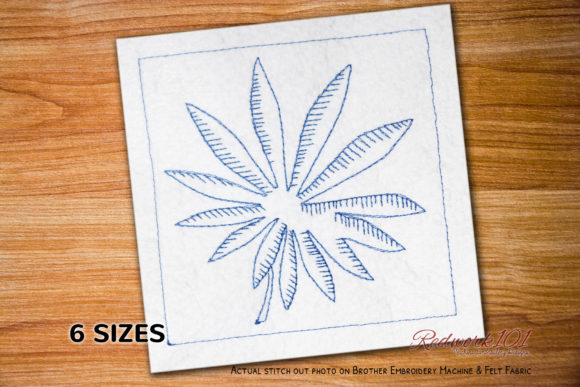
As someone who’s curated embroidery files for over eight years—first for Etsy listings, then for craft fairs and local boutiques—I approach every new design like a product planner, not just a stitcher. When I saw Lupin Leaf in Creative Fabrica’s Single Flowers category, my first thought wasn’t “pretty”—it was “where does this live?” That’s how I know it’s worth deeper review. Lupin Leaf feels quietly elegant: botanical but not fussy, delicate but legible at small scale, feminine without leaning into cliché. It reads as modern botanical—not vintage floral, not cartoonish, not overly ornate. That makes it unusually versatile across product types.
Where Lupin Leaf Shines Most (and Where It Might Not)
Lupin Leaf is ideal for products where subtlety adds value—not dominance. Think embroidered baby blankets (soft, gentle, nature-inspired), linen kitchen towels (clean and artisanal), minimalist tote bags (elegant accent near the handle or corner), and unisex aprons (a quiet signature detail). It also works beautifully on sweatshirt cuffs or collar accents, where boldness isn’t needed—but intention is. I’d avoid using it full-front on oversized hoodies or as a standalone patch for rugged gear; its refined line work doesn’t carry that weight. Instead, lean into its quiet confidence: it elevates handmade product photography, supports clean printable mockups, and reads well in social media previews—even thumbnail-sized.
A Natural Fit for Personalized Gifts & Boutique Merchandise
Because Lupin Leaf reads as both timeless and contemporary, it bridges gifting audiences: new parents appreciate its gentle botanical tone for baby embroidery; plant lovers connect with its lupin specificity (a thoughtful, less-common choice than daisies or roses); and gift buyers respond to its understated polish. For Etsy sellers, that means fewer explanations in listings—and higher perceived value. Pair it with neutral thread colors (oatmeal, sage, charcoal) on natural fabrics, and it becomes instantly giftable: no seasonal expiration date, no trend fatigue. It also layers gracefully—imagine Lupin Leaf + monogram initials on a pillow cover, or scaled down beside a custom name on a child’s backpack. That flexibility supports multiple listing variations without needing entirely new designs.
Practical Notes Every Seller Should Check Before Listing
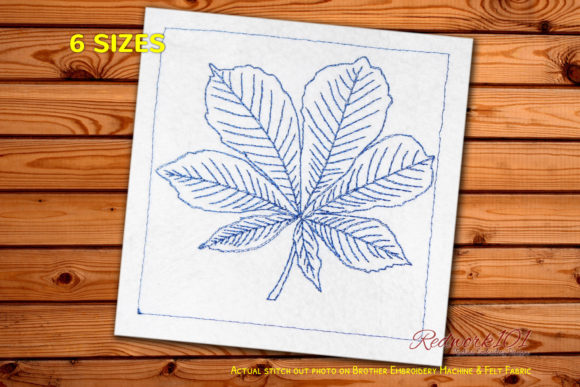
Before adding Lupin Leaf to your shop, treat it like any physical inventory item: test it. Stitch out a sample—not just once, but on two or three fabric types you actually sell (e.g., cotton twill for totes, terry cloth for towels, lightweight linen for pillows). Pay attention to stitch density: if it’s too dense for your stabilizer setup, it’ll pucker or overwhelm delicate weaves. Confirm hoop size requirements early—some single-flower designs assume 4x4, but others need 5x7 for optimal spacing. And remember: the product description notes “The Box Stitch shown in picture is optional” and “The color of outer Box is different color in most of the designs unless it is part of the design itself.” That tells me the box is likely a framing element, not integral. You can skip it—or use it intentionally as a subtle border on patches or framed hoop art. Either way, decide *before* photographing.
Thread Colors & Visual Readability Matter More Than You Think
When evaluating Lupin Leaf for commercial embroidery, don’t just open the file—open your thread cabinet. Try stitching it in 2–3 contrasting palettes: earthy neutrals (for kitchen towels and baby items), muted pastels (for spring collections), and one unexpected option (like deep indigo on cream canvas). Then shrink your test photo to Etsy listing thumbnail size (100px wide). Does the shape still read as a lupin leaf? Is the stem distinct? Does the curve feel intentional, not blurry? If yes, you’ve got a strong candidate for scalable product photography and cohesive social feeds. Also note: because the outer box is optional and often color-shifted, you gain flexibility in branding—no forced frame color locking you into one aesthetic.
How Lupin Leaf Supports Your Craft Business Beyond the Stitch
This isn’t just another embroidery file—it’s a quiet multiplier. It helps handmade product listings look more professional (clean lines = confident craftsmanship), supports faster mockup creation (works across apparel, home, and accessories), and encourages repeat customers who recognize your refined botanical voice. For craft fair sellers, a small batch of Lupin Leaf–embroidered tea towels or linen napkins stands out next to busier patterns—shoppers pause longer, ask questions, remember your booth. For digital sellers building a Creative Fabrica embroidery bundle, Lupin Leaf pairs naturally with other single botanicals (think fern frond, eucalyptus sprig, or clover) to create themed collections without visual fatigue. And because it’s categorized under Embroidery, not holiday or novelty, it stays relevant year-round—reducing seasonal inventory pressure.
Final Recommendation: A Thoughtful Addition, Not a Trend Chaser
If you’re curating for longevity—not virality—Lupin Leaf earns a spot. It won’t shout from a crowded Etsy search page, but it will convert quietly: drawing in buyers who value intention over intensity, who scroll past flash and stop for finesse. It’s especially valuable if your shop leans into slow-made, nature-connected, or gender-neutral handmade product lines. Just remember: always verify licensing terms on the Creative Fabrica product page before selling finished goods. And never skip the sample stitch-out—your reputation rides on how cleanly Lupin Leaf lands on real fabric, not just in the file preview. Done right, it becomes part of your brand’s visual grammar: soft, sure, and unmistakably yours.