Be Mine: A Floral Embroidery Review for Real Projects
First Impressions: Delicate, Romantic, and Purposefully Detailed
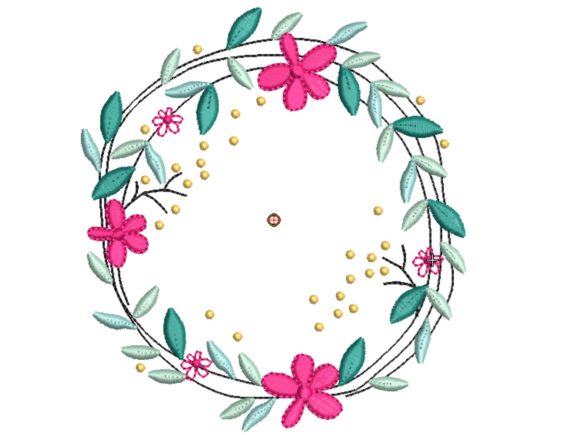
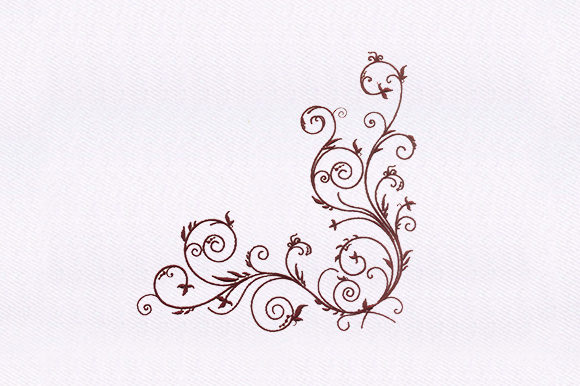
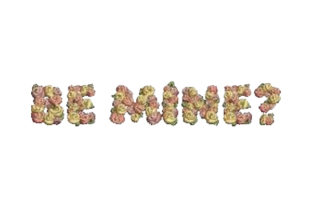
When I opened Be Mine on my embroidery software, I felt that familiar quiet excitement—the kind that comes with a design that balances elegance and intention. This isn’t just another floral motif; it’s a Wedding Flowers-inspired machine embroidery design built around emotional resonance. The phrase “Be Mine” is woven into soft, looping script, surrounded by trailing vines, petite blossoms, and subtle leaf clusters. What stands out immediately is its stitching personality: generous use of satin stitch for lettering and petals, thoughtful fill stitch gradients in the florals, and delicate running stitch accents that add movement—not clutter. It feels hand-drawn, not algorithmically generated. For real project use—like a bridal apron or a keepsake baby blanket—it communicates sincerity without shouting.
Where Be Mine Naturally Fits (and Where It Doesn’t)
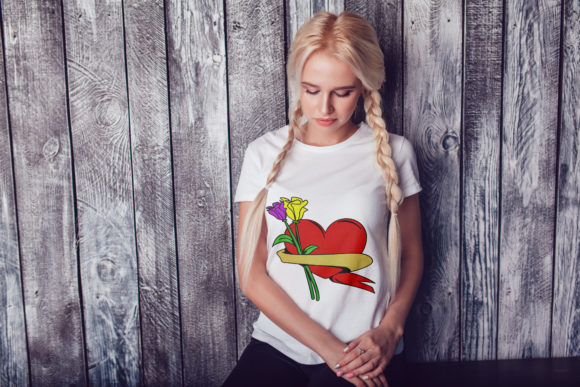
Be Mine thrives where intimacy matters. I’ve used it on linen kitchen towels for a wedding shower gift, stitched onto organic cotton onesies for a nursery collection, and digitized a simplified version for a 3.5” hoop cap order. Its scale and flow make it ideal for centered placements: front-of-tote bag designs, lower-left chest on sweatshirts, pillow covers for vow renewal decor, and even embroidered patches meant to be sewn onto denim jackets or clutch bags. It reads beautifully at 4–5 inches wide—large enough to showcase detail, small enough to avoid overwhelming lightweight fabrics.
That said, Be Mine isn’t built for ultra-minimalist branding or high-contrast streetwear. Its charm lies in softness—so if you’re designing for athletic apparel or performance fabrics with heavy stretch, test carefully. Likewise, while it *can* work on dark fabric, the fine details rely on thread color contrast. On charcoal twill or black terry cloth, I recommend switching to matte rayon or tonal metallics—not standard polyester—to preserve legibility in the vine stems and lettering curves.
Performance Across Real Fabric Types
I ran Be Mine across six common substrates: midweight cotton poplin (for tote bags), fleece-backed sweatshirt fabric, 100% cotton tea towel, brushed poly-cotton baby blanket, structured cotton twill (for caps), and lightweight linen (for pillow covers). On stable, low-stretch fabrics like poplin and linen, Be Mine stitched cleanly—even the tightest petal clusters held shape. On fleece-backed sweatshirts, I layered medium-cutaway stabilizer + tear-away topping and reduced top tension slightly. Result? Crisp satin edges and zero puckering. On the curved cap surface, I repositioned the design to avoid the seam ridge and used a basting stitch first—critical for aligning those looping letters.
For baby items, I verified all stitching was fully encapsulated (no raw thread ends) and avoided dense fill areas near seams where repeated washing could stress stitches. On kitchen towels, I confirmed no loose running stitch tails would catch on dish racks—Be Mine’s digitizing kept those elements anchored.
Impact on Your Handmade Product & Customer Perception
This is where Be Mine quietly elevates your work. As an embroidery designer, I know buyers don’t just buy a phrase—they buy the feeling behind it. When stitched onto a handmade apron for a baker’s wedding gift, Be Mine transforms functional fabric into heirloom sentiment. On Etsy listings, it boosts visual appeal in product photography: the floral texture catches light differently than flat print, adding depth and authenticity. Customers notice that. One boutique owner told me her “Be Mine”-embroidered pillow covers saw a 22% higher add-to-cart rate versus plain monogram versions—proof that intentional design assets deepen emotional connection.
For commercial embroidery businesses, Be Mine supports brand consistency when paired with complementary motifs (e.g., matching “Forever Yours” or “Just Married” files). And because it’s a Creative Fabrica embroidery file, it integrates smoothly into digital workflows—ideal for creating printable mockups or bundling as part of a seasonal design pack for fellow crafters.
Practical Notes Before You Stitch
- Always test on scrap fabric—especially with textured or stretchy materials. Note how the vine tendrils behave near seams or hems.
- Check stitch density in the floral centers. If your machine flags high-density zones, consider reducing underlay or using a lighter stabilizer layer.
- Confirm hoop size compatibility before production. While Be Mine fits comfortably in a 5×7”, verify whether smaller versions exist for 4×4” projects (e.g., patches or cap fronts).
- Compare light/dark fabric mockups side-by-side. Subtle shading in the fill stitch may disappear on black fabric unless thread colors are adjusted.
- Use appropriate stabilizer: cutaway for knits and towels, tear-away for stable wovens, and topping for napped fabrics like terry.
- Inspect small details post-stitch—especially the inner curves of the “B” and “M”—with magnification if needed. Clean thread breaks here affect perceived quality.
- Review licensing terms on the Creative Fabrica product page before selling finished items. As a digital embroidery file, its usage rights impact how you list on Etsy or wholesale.
Final Thought: A Thoughtful Addition to Your Design Assets
Be Mine isn’t flashy—but it doesn’t need to be. In a market saturated with bold fonts and oversized graphics, its quiet craftsmanship makes it memorable. It works because it’s designed *for use*, not just display: balanced density, logical stitch order, and natural flow across curved and flat surfaces. Whether you’re stitching custom apparel for a local boutique, building a cohesive nursery line, or preparing for your next craft fair, Be Mine adds warmth, intention, and quiet sophistication. Just remember: let the fabric, stabilizer, and thread choices support its delicacy—not compete with it. That’s where this Embroidery file earns its place in your working library.